Grunge Brush: A Practical Guide to Textured Digital Design
In the realm of digital art and graphic design, texture plays a pivotal role in establishing mood, depth, and authenticity. Among the various tools available to designers, the Grunge Brush has emerged as an essential asset for creating weathered, distressed, and organic visual effects. Whether you are working on a poster, a website background, or a digital illustration, understanding how to effectively utilize these brushes can significantly streamline your workflow. This article explores the utility of grunge brushes, evaluates their benefits and limitations, and provides practical insights to help you determine if they align with your specific design objectives.
Understanding the Grunge Brush
A Grunge Brush is a specialized digital tool, typically used in software like Adobe Photoshop, Procreate, or Clip Studio Paint, that mimics the irregularities of physical media. Unlike standard smooth brushes, grunge brushes are designed to deposit ink or paint in a fragmented, uneven manner. They replicate the look of dry brush strokes, splatters, stains, scratches, and worn surfaces. The primary function of a Grunge Brush is to introduce imperfection into a digital composition, thereby breaking up the sterile, uniform appearance that often characterizes computer-generated imagery.
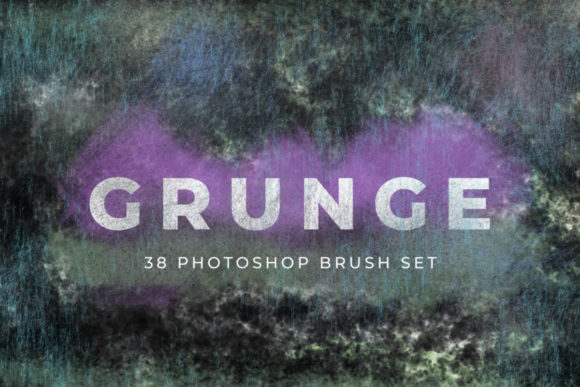
The collection known as "38 Grunge brushes" represents a curated set of these tools, offering a variety of textures ranging from subtle noise to heavy distressing. This diversity allows designers to layer effects, creating complex backgrounds or foreground elements that appear aged or handmade. By providing a ready-made solution for custom-made grunge effects, these brushes eliminate the need to spend hours searching for stock images or manually creating textures from scratch.
Why Designers Choose Grunge Textures
The interest in Grunge Brush tools stems from a broader design trend that values authenticity and tactile quality. In an era where digital perfection is the default, introducing controlled chaos can make a design feel more human and relatable. Here are several reasons why designers integrate these tools into their workflows:
- Efficiency: Creating realistic wear and tear manually is time-consuming. A high-quality brush set allows for instant application of complex textures.
- Versatility: These brushes are not limited to one style. They can be used for vintage posters, modern streetwear graphics, horror-themed artwork, or subtle UI backgrounds.
- Customization: Unlike static stock photos, brush strokes can be resized, rotated, and opacity-adjusted to fit the exact composition needs.
- Visual Hierarchy: Grunge textures can be used to draw attention to specific areas by adding contrast or framing elements with distressed borders.
Benefits and Practical Applications
The most significant advantage of using a dedicated Grunge Brush pack is the ability to generate unique, non-repetitive patterns. When designing backgrounds, relying on tiled stock textures can result in visible seams and a predictable look. Brushes allow for organic placement, ensuring that no two projects look identical. This is particularly valuable for branding materials where uniqueness is paramount.
Furthermore, these tools offer precise control over the intensity of the effect. By adjusting brush settings such as flow, jitter, and scattering, designers can achieve anything from a faint, dusty overlay to a heavy, ink-splattered aesthetic. This level of control is crucial when integrating textures with typography. For instance, applying a subtle grunge texture to text can make it appear stamped or printed on rough paper, enhancing the thematic consistency of the design.
For those working in digital painting, Grunge Brush tools are invaluable for adding realism to environments. Walls, roads, and fabrics rarely appear perfectly clean in real life. Adding subtle scratches and stains helps ground fantastical or stylized illustrations in a sense of reality, making the scene more believable to the viewer.
Tradeoffs and Considerations
While the benefits are clear, there are tradeoffs to consider when incorporating Grunge Brush elements into your work. The primary challenge is avoiding overuse. Because these textures are visually striking, it is easy to overwhelm a composition. Too much grunge can reduce readability, particularly in web design or informational graphics where clarity is essential. Designers must exercise restraint, using these tools to accentuate rather than dominate the visual narrative.
Another consideration is resolution and scalability. Some brush sets are optimized for specific canvas sizes. If a brush is designed for a high-resolution print project, it may appear pixelated or overly dense when used on a small web banner. Conversely, a brush meant for screen use might lack the detail required for large-format printing. It is important to test brushes at the intended output size to ensure they maintain their quality.
Additionally, while brushes save time compared to manual creation, they still require skillful application. Simply stamping a grunge texture onto a layer rarely yields professional results. Effective use involves blending modes, masking, and color adjustment to ensure the texture integrates seamlessly with the underlying image. Users should be prepared to invest time in learning these integration techniques.
When to Use Grunge Brushes vs. Alternatives
Determining whether a Grunge Brush is the right tool depends on the specific requirements of your project. These brushes are a strong fit in the following situations:
- Custom Backgrounds: When you need a unique, non-tiled background for a poster or album cover.
- Typography Effects: When you want to give text a hand-printed, stamped, or eroded look.
- Digital Painting: When adding realistic wear to objects or environments in an illustration.
- Rapid Prototyping: When you need to quickly mock up a distressed aesthetic without sourcing external assets.
However, there are scenarios where alternatives may be worth considering. If you require a highly specific, photorealistic texture—such as a particular type of rusted metal or cracked concrete—high-resolution photography or 3D rendering might yield better results. Stock photo libraries offer detailed captures of real-world surfaces that brushes can only approximate. Additionally, for web interfaces where performance is critical, using lightweight CSS effects or SVG filters might be more efficient than loading large, texture-heavy image files generated by brushes.
Another alternative is procedural texture generation software. These tools can create infinite variations of grunge and noise patterns algorithmically. While they have a steeper learning curve, they offer unparalleled control for technical users who need seamless, tileable textures for 3D modeling or game design.
Making the Right Decision
To decide if a Grunge Brush set is suitable for your needs, evaluate your project’s scope and your technical comfort level. If you are a graphic designer looking to enhance static compositions with minimal hassle, a well-curated brush pack is an excellent investment. It bridges the gap between conceptual ideas and final execution, allowing for rapid iteration.
Consider the versatility of the pack. A set like the "38 Grunge brushes" offers a range of options, which is preferable to a single-purpose tool. Look for brushes that include varied edge qualities—some soft and dusty, others sharp and jagged. This variety ensures you can handle different design challenges without needing to purchase additional assets.
Ultimately, the value of a Grunge Brush lies in its ability to add character and depth to digital work. By understanding its capabilities and limitations, you can use it to create compelling, authentic designs that resonate with audiences. Whether you are aiming for a subtle vintage vibe or a bold, aggressive aesthetic, these tools provide the flexibility needed to achieve your creative vision efficiently.