Watercolor Brush Paint Photo Effect: A Practical Tool for Visual Storytelling
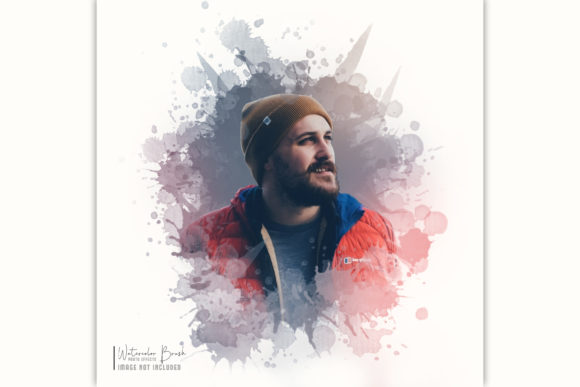
In the evolving landscape of digital photography and graphic design, the line between traditional artistry and modern technology continues to blur. For photographic artists and visual originators, the ability to transform a standard photograph into a piece that mimics hand-painted media is not just a novelty; it is a powerful method for differentiation. The Watercolor Brush Paint Photo Effect has emerged as a significant resource in this domain, offering a streamlined approach to achieving complex artistic textures without requiring hours of manual brushwork.
This effect is expertly intended to give your pictures wizardry and momentous tone, empowering you to smooth out your altering interaction and enhance your images. Unlike generic filters that often result in flat, unnatural appearances, high-quality watercolor actions are designed with an understanding of light, shadow, and pigment behavior. Each of our items has been tried on an assortment of pictures, and they are extremely adaptable. As photographic artists ourselves, we go through these apparatuses to speed our work process and give our pictures an inventive edge.
Understanding the Core Value Proposition
The primary appeal of the Watercolor Brush Paint Photo Effect lies in its efficiency and professional finish. For professionals working under tight deadlines, the time required to manually paint over a photograph in software like Adobe Photoshop can be prohibitive. This tool bridges the gap by automating the most tedious aspects of the process—such as texture application, color bleeding simulation, and paper grain overlay—while leaving room for creative control.
The term "non-destructive" is critical here. In professional workflows, preserving the original image data is paramount. A well-designed watercolor effect utilizes adjustment layers, smart objects, and layer masks rather than permanently altering pixel data. This ensures that if a client requests a change in saturation or contrast, the artist can revert or tweak specific elements without starting from scratch. This flexibility is what separates amateur presets from professional-grade assets.
Key Characteristics and Technical Performance
When evaluating any digital art tool, several factors determine its long-term value. The Watercolor Brush Paint Photo Effect excels in three specific areas: usability, versatility, and consistency.
- Easy to use: The installation and application process is typically straightforward. Most actions are designed to run with a single click, automatically organizing layers for further customization. This lowers the barrier to entry for beginners while saving time for experts.
- Professional effect: The output avoids the common pitfalls of digital filters, such as excessive noise or unnatural color banding. Instead, it replicates the organic flow of water-based pigments, including subtle variations in opacity and edge softness.
- Works on any version of Photoshop: Compatibility is a frequent concern for creators using older hardware or software versions. A robust watercolor effect is built using fundamental Photoshop features that have remained stable across decades, ensuring that the tool remains useful regardless of software updates.
Furthermore, the adaptability of these effects cannot be overstated. They are not limited to a specific genre of photography. Whether applied to portraiture, landscape, architectural shots, or product photography, the underlying logic of the effect adjusts to the tonal range of the source image. This makes it a versatile asset for marketers and bloggers who need to create consistent visual branding across diverse content types.
Real-World Applications for Creators
The practical utility of the Watercolor Brush Paint Photo Effect extends beyond personal art projects. For entrepreneurs and small business owners, visual distinctiveness is a key component of brand identity. Using watercolor-style imagery can convey qualities such as elegance, creativity, and approachability, which are particularly effective in industries like wedding planning, boutique retail, and lifestyle coaching.
Consider a marketing campaign for a natural skincare brand. Standard high-resolution product photos may feel sterile or clinical. Applying a subtle watercolor effect can soften the image, aligning the visual aesthetic with the brand’s message of gentleness and organic ingredients. Similarly, educators and publishers can use these effects to create engaging headers for blog posts or educational materials, breaking up text-heavy layouts with visually appealing, artistic elements.
For freelancers and photographers, offering watercolor-edited prints can open new revenue streams. Clients often seek unique gifts or decor items that stand out from standard prints. By integrating this effect into their service offerings, photographers can provide a premium, artistic product that commands a higher price point.
Workflow Integration and Efficiency
One of the most significant advantages of incorporating the Watercolor Brush Paint Photo Effect into your workflow is the reduction of repetitive tasks. As photographic artists, we understand that creativity thrives when technical friction is minimized. These tools allow creators to focus on composition, color grading, and narrative rather than getting bogged down in the mechanics of texture creation.
The process typically involves importing the action, selecting the desired variant, and running the script. Once applied, the user can fine-tune the result by adjusting layer opacities, modifying blend modes, or masking out areas where the effect should be less prominent. This level of control ensures that the final image retains the photographer’s original vision while benefiting from the artistic enhancement.
Moreover, the consistency provided by digital actions is invaluable for series-based projects. If a blogger is creating a set of ten featured images for a seasonal article, using the same watercolor effect ensures a cohesive look across all thumbnails. This visual harmony strengthens brand recognition and improves the overall user experience on digital platforms.
Limitations and Best Practices
While the Watercolor Brush Paint Photo Effect is a powerful tool, it is not a substitute for fundamental photographic skills. The quality of the output is heavily dependent on the quality of the input image. High-contrast, well-lit photographs with clear subjects tend to yield the best results. Images that are overly dark, noisy, or lacking in definition may not translate well into the watercolor medium, resulting in muddy or indistinct outputs.
It is also important to avoid overuse. The novelty of the effect can wear off if every image in a portfolio looks identical. Successful creators use these tools selectively, choosing images that benefit from the soft, dreamy aesthetic of watercolor. Additionally, understanding color theory helps in tweaking the final result. Since watercolor simulations often shift hues slightly, minor adjustments to hue/saturation layers may be necessary to match specific brand colors or artistic intentions.
Another consideration is resolution. While the effect works on various image sizes, printing large-format watercolor-style art requires high-resolution source files. Users should ensure their original photographs are of sufficient quality to withstand the texture overlays without losing detail in critical areas.
Who Benefits Most from This Tool?
The Watercolor Brush Paint Photo Effect is particularly beneficial for:
- Professional Photographers: Looking to expand their service offerings with artistic edits.
- Graphic Designers: Needing quick, high-quality textures for composite projects.
- Content Creators and Bloggers: Seeking unique, eye-catching visuals for social media and web content.
- Small Business Owners: Wanting to establish a distinct, artistic brand identity without hiring expensive illustrators.
- Hobbyists: Interested in exploring digital art techniques without a steep learning curve.
Each of these groups values the balance between automation and control. The tool provides a foundation that can be customized, allowing users to inject their personal style while leveraging the technical expertise embedded in the action.
Final Thoughts on Long-Term Value
Investing in a reliable Watercolor Brush Paint Photo Effect is an investment in workflow efficiency and creative versatility. It empowers users to produce professional-grade artistic images consistently, reducing the time spent on manual editing while enhancing the visual impact of their work. As digital media continues to prioritize unique and engaging visuals, having access to tools that facilitate artistic expression is increasingly valuable.
By integrating this effect into your toolkit, you gain the ability to transform ordinary photographs into extraordinary visual stories. Whether for commercial clients, personal projects, or brand building, the watercolor aesthetic offers a timeless appeal that resonates with audiences. With its ease of use, non-destructive nature, and broad compatibility, this tool stands out as a practical and effective resource for any serious visual creator.