Dispersion Photo Effect Template: A Practical Evaluation
In the evolving landscape of digital photography and graphic design, post-processing tools play a pivotal role in defining visual identity. Among the myriad of options available, the Dispersion Photo Effect Template has emerged as a significant resource for creators seeking to add dynamic, surreal elements to their imagery. This tool, often distributed as a Photoshop Action or PSD file, allows users to simulate the effect of an image breaking apart into particles, dust, or fragments. When evaluated alongside complementary styles such as the Watercolor Oil Paint Photoshop Action, it becomes clear that these tools serve distinct yet overlapping purposes in a designer’s workflow. Understanding the mechanics, benefits, and limitations of the Dispersion Photo Effect Template is essential for anyone looking to integrate these effects into their professional or personal projects.
Understanding the Dispersion Photo Effect
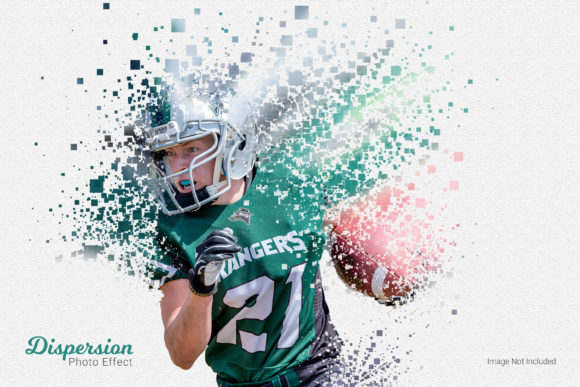
The core concept behind a dispersion effect is the visual illusion of disintegration. Rather than a simple fade or blur, this technique scatters pixels or layers in a specific direction, creating a sense of motion, energy, or dissolution. The Dispersion Photo Effect Template automates this complex process. Typically, these templates utilize layer masks, displacement maps, and smart objects within Adobe Photoshop to achieve a high-quality result without requiring manual pixel manipulation for every project.
For photographers and designers, the appeal lies in the ability to transform a static portrait or object photo into a piece of digital art that conveys movement or transformation. Whether used for movie posters, album covers, or social media content, the effect draws the viewer’s eye and adds a layer of narrative intrigue. The template approach ensures consistency, allowing users to apply the same stylistic treatment across multiple images with minimal variation in quality.
Complementary Styles: Watercolor and Oil Paint Effects
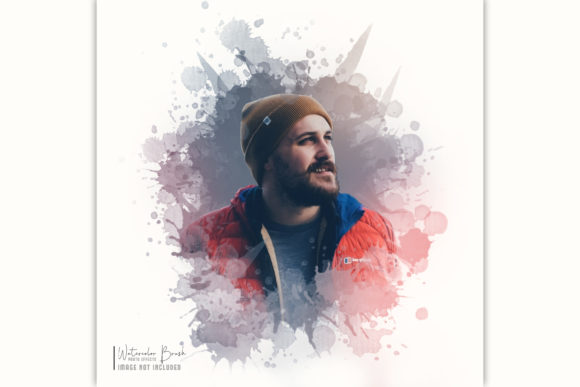
While dispersion focuses on deconstruction, other artistic actions focus on reconstruction through traditional media simulations. The Watercolor Oil Paint Photoshop Action represents a different aesthetic goal. This type of action is designed to transform photos into paintings, mimicking the texture and brushstrokes of watercolor or oil mediums. When evaluating digital art tools, it is important to distinguish between these two categories. Dispersion is modern, digital, and often associated with sci-fi or high-energy themes. In contrast, watercolor and oil paint effects evoke nostalgia, warmth, and classical artistry.
Interestingly, many creators find value in having access to both types of tools. A comprehensive library might include the dispersion template for edgy, contemporary designs and the paint actions for vintage or romantic projects. The versatility of having multiple one-click solutions allows for rapid prototyping and experimentation. However, the underlying technology differs. Paint actions usually rely on filter galleries and texture overlays, while dispersion effects depend heavily on masking and particle brushes.
Technical Requirements and Quality Considerations
To achieve optimal results with any Photoshop action, technical specifications are paramount. For the Dispersion Photo Effect Template, resolution is a critical factor. Low-resolution images will result in pixelated edges and unconvincing particle effects. It is strongly recommended to use photos with a resolution of at least 300 DPI (dots per inch). This ensures that the dispersed elements retain sharpness and detail, maintaining the illusion of high-quality digital art.
The file information for these templates often highlights "clean actions" and "clean work." This refers to the organization of the Photoshop layers. A well-constructed template will name layers logically, group related elements, and use non-destructive editing techniques. This allows users to tweak parameters such as the intensity of the dispersion, the direction of the scatter, and the color grading after the action has been applied. The inclusion of a help file is also a significant indicator of quality, providing guidance on troubleshooting and customization.
Benefits and Tradeoffs
The primary benefit of using a pre-made template is efficiency. Manually creating a dispersion effect from scratch can take hours, involving intricate masking and brush work. A one-click action reduces this to minutes, making it ideal for professionals working under tight deadlines. Additionally, these templates provide a standardized look that can help establish a consistent brand aesthetic.
However, there are tradeoffs. The "one-size-fits-all" nature of automated actions means they may not perfectly suit every image. Lighting conditions, subject contrast, and background complexity can affect the outcome. Users may need to spend time refining the mask or adjusting the particle density to fit the specific nuances of their photo. Furthermore, overuse of popular effects can lead to visual fatigue among audiences who have seen similar treatments frequently on social media platforms.
Ideal Use Cases
The Dispersion Photo Effect Template is a strong fit for specific genres of design. It excels in sports photography, where it can emphasize speed and power. It is also highly effective in music industry graphics, particularly for electronic or rock genres that benefit from aggressive, dynamic visuals. Corporate tech presentations may also utilize subtle dispersion effects to illustrate concepts of data flow or digital transformation.
Conversely, the Watercolor Oil Paint Photoshop Action is better suited for wedding photography, family portraits, or lifestyle branding that aims for a soft, organic feel. Recognizing when to use which tool is part of effective decision-making. If the goal is to convey chaos, energy, or digital disruption, dispersion is the appropriate choice. If the goal is to convey warmth, tradition, or softness, paint simulations are more aligned with those objectives.
Evaluating Alternatives
While templates offer convenience, they are not the only path to achieving these effects. Professional designers may prefer custom-built actions or manual techniques to ensure unique results. Alternatives include using specialized plugins for Adobe Photoshop, such as those designed for particle generation, or exploring other software like After Effects for animated dispersion. For those seeking a paint effect, standalone apps like Prisma or Adobe Fresco offer robust alternatives that do not require desktop software.
When comparing options, consider the level of control required. Templates offer moderate control with high speed. Custom manual work offers maximum control with low speed. Plugins often sit in the middle, offering specialized features with a learning curve. Your choice should depend on your technical proficiency, time constraints, and the specific demands of the project.
Making the Right Choice
Deciding whether to invest in a Dispersion Photo Effect Template or a paint action bundle requires an assessment of your current workflow. If you frequently produce content that requires dramatic, modern visual twists, a dispersion template is a valuable addition. Ensure that your source images meet the recommended resolution standards to avoid disappointing results. Look for products that include clean layer structures and support documentation.
Ultimately, these tools are enhancers, not replacements for fundamental design skills. They provide a starting point, but the final quality depends on the user’s ability to adjust and refine the output. By understanding the strengths and limitations of each effect, you can make informed decisions that align with your creative goals. Whether you choose the dynamic fragmentation of dispersion or the textured elegance of oil paint, the key is to use these tools intentionally to serve the narrative of your image.